
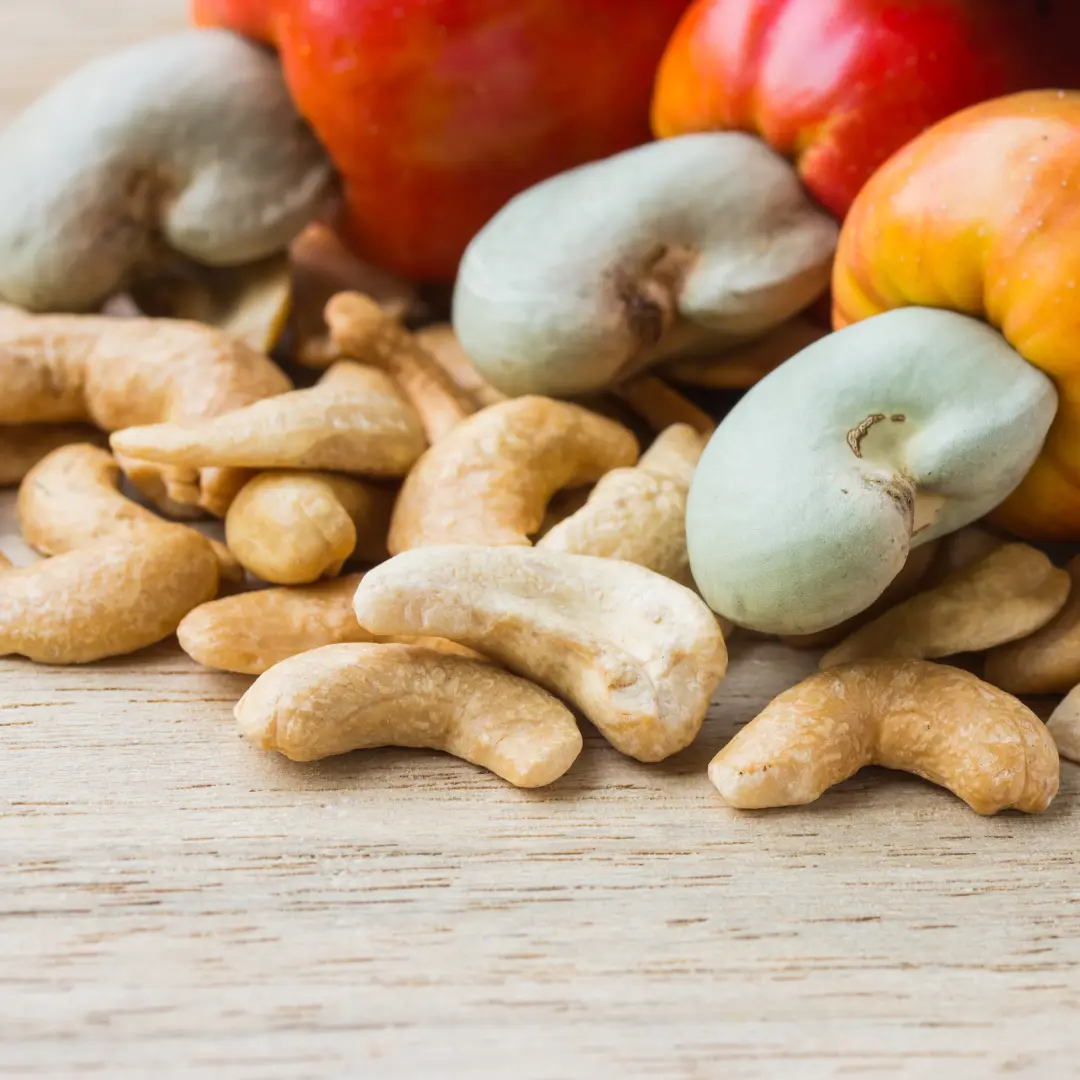
Cashew Nutrition Facts 100g: Complete Nutritional Breakdown
amalfarm2025-10-13T05:09:05+00:00
Cashew nuts have become one of the most popular tree nuts worldwide, valued for their creamy texture and rich nutritional profile. Understanding the cashew nutrition facts per 100g helps you make informed dietary choices and appreciate the health benefits these kidney-shaped nuts offer.
Cashew Nutrition Facts 100g: Essential Numbers
Per 100 grams of raw cashew nuts, you receive approximately 553 calories packed with essential nutrients. The macronutrient distribution includes around 18-21% protein, 44-46% healthy fats, and 25-27% carbohydrates. This balanced composition makes cashews an excellent energy source for active individuals.
The protein content in 100g cashews ranges between 18 to 21 grams, positioning them among the top three protein-rich tree nuts. The fat content, predominantly monounsaturated fats (approximately 62%), supports cardiovascular health. Cashews also provide about 3.3 grams of dietary fiber per 100g, aiding digestive wellness.
Micronutrients in Cashew Nuts
Beyond macronutrients, cashews deliver impressive mineral content. A 100g serving provides significant amounts of copper, magnesium, phosphorus, zinc, and iron. These minerals play crucial roles in bone health, immune function, and energy metabolism. Cashews also contain B-complex vitamins, including thiamin, riboflavin, and vitamin B6, supporting nervous system function.
The energy value stands at approximately 2525 kJ per 100g, making cashews calorie-dense yet nutritionally valuable. The sterol profile includes β-sitosterol, a plant compound known for cholesterol-lowering properties, found abundantly in cashew fats.
Regional Variations in Cashew Nutrition
Brazilian Cashews
Cashews from Brazil, one of the largest producers, typically exhibit robust protein content ranging from 19-21%. Brazilian varieties often contain higher levels of certain amino acids, making them particularly valuable for plant-based protein seekers.
Indian Cashews
India produces some of the finest quality cashews, particularly from Kerala, Goa, and Maharashtra regions. Indian cashews generally show consistent nutritional profiles with protein content around 18-20% and slightly sweeter taste due to natural sugar content variations.
Indian Cashew Varieties – Nutritional Comparison (Per 100g)
| Variety | Origin | Calories (kcal) | Protein (g) | Fat (g) | Carbs (g) | Fiber (g) | Magnesium (mg) | Iron (mg) |
|---|---|---|---|---|---|---|---|---|
| Vengurla Cashew | Maharashtra (Sindhudurg) | 550-560 | 19-21 | 44-46 | 26-28 | 3.2-3.5 | 290-295 | 6.5-7.0 |
| Kerala Cashew | Kerala | 545-555 | 18-20 | 43-45 | 25-27 | 3.0-3.3 | 285-290 | 6.0-6.5 |
| Goa Cashew | Goa | 548-558 | 18.5-20 | 44-46 | 26-28 | 3.1-3.4 | 288-293 | 6.2-6.8 |
| Karnataka Cashew | Karnataka | 550-560 | 19-20.5 | 43-45 | 25-27 | 3.2-3.4 | 287-292 | 6.3-6.7 |
Note: Vengurla cashews from Maharashtra’s Sindhudurg district are renowned for their superior taste, larger size, and exceptional nutritional density. The unique coastal climate and soil conditions contribute to their premium quality.
You can purchase authentic Vengurla cashews from Amalfarm, sourced directly from local farmers in the Sindhudurg region, ensuring freshness and superior quality.
Vietnamese Cashews
Vietnam has emerged as the world’s leading cashew processor and exporter. Vietnamese cashews typically range from 18-19% protein content with excellent mineral density, particularly in magnesium and phosphorus levels.
Ivory Coast Cashews
West African cashews, especially from Ivory Coast, demonstrate unique nutritional characteristics with protein content varying between 17-20%. These cashews often possess slightly different fatty acid profiles while maintaining excellent overall nutritional value.
Health Benefits Based on Nutritional Profile
The nutritional composition of 100g cashews supports multiple health benefits. The monounsaturated fats help maintain healthy cholesterol levels, while the protein content aids muscle repair and growth. Magnesium, abundant in cashews, supports over 300 enzymatic reactions in the body.
The antioxidant content, including selenium and vitamin E, protects cells from oxidative stress. Regular cashew consumption has been associated with improved heart health, better blood sugar management, and enhanced bone strength due to the mineral content.
Quality Factors Affecting Nutrition
The processing method significantly impacts nutritional retention. Raw cashews preserve maximum nutrients, while roasting may reduce some vitamins but enhances flavor and digestibility. Storage conditions also matter—fresh cashews stored properly maintain their nutritional integrity better than stale nuts.
Source: Nutritional data referenced from PMC research article on cashew composition from different origins (https://pmc.ncbi.nlm.nih.gov/articles/PMC4779481/)
Conclusion
Understanding cashew nutrition facts per 100g empowers you to incorporate these nutritious nuts effectively into your diet. Whether sourced from Brazil, India, Vietnam, or Ivory Coast, cashews provide exceptional nutritional value with slight regional variations. Their balanced macronutrient profile, combined with rich mineral and vitamin content, makes them a superior choice for health-conscious individuals seeking plant-based nutrition.